
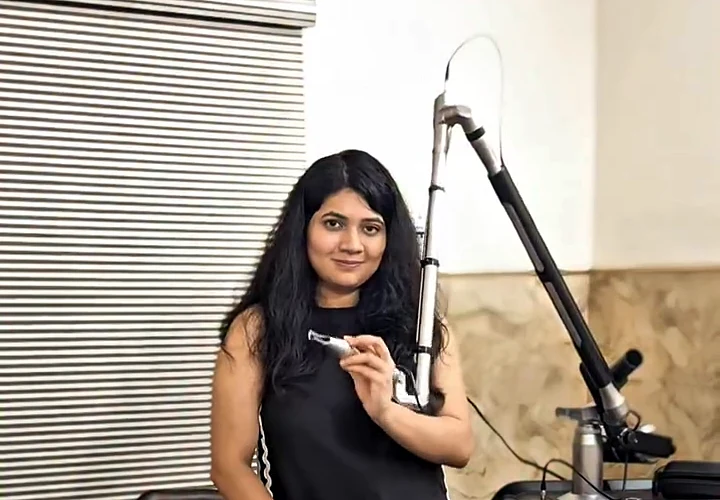
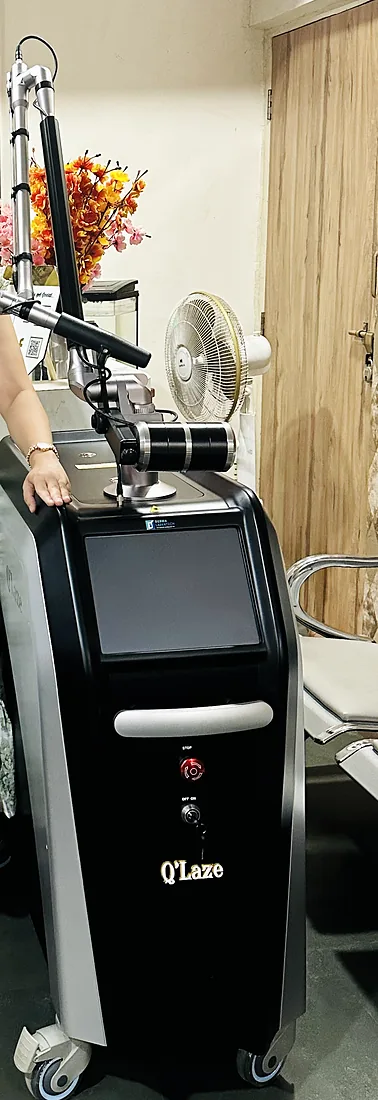
A Q-switched laser — the clinic uses a Q-Laze, a Q-switched Nd:YAG system — emits very short, high-intensity pulses of light. Those pulses are designed to break up deep pigment and tattoo ink in the skin while limiting the effect on surrounding tissue.
What it is used for
- Tattoo removal, including multiple ink colours
- Dark spots and freckles
- Selected cases of melasma, as part of a wider plan
- Carbon peel (carbon laser facial) for oiliness and open pores
- Skin brightening and overall tone correction
How many sessions?
Most plans involve a series of sessions — commonly around four to six — spaced about a month apart. The right number depends on what is being treated and how your skin responds, which is why the plan is made after an in-person assessment.
Downtime and side effects
Downtime is usually low. Mild redness often settles within a few hours. Temporary redness, mild swelling or minor scabbing can occur, and your aftercare — especially sun protection — matters for the result.
Is it right for me?
Pigmentation has many causes, and not every type responds the same way. Melasma in particular can recur and needs ongoing care. A consultation helps identify the type of pigmentation first, so that laser is only used where it is appropriate.
This article is general information, not medical advice. Please consult a dermatologist about your own skin or hair.