Pigmentation has many causes — sun exposure, hormones, inflammation after acne, and conditions such as melasma. Identifying the type matters, because the right approach for one form of pigmentation can be unsuitable for another.
When a consultation may help
- Dark patches or spots are spreading or not fading.
- You have been told you may have melasma.
- Marks remain long after acne or other skin injury.
- You are considering laser tattoo removal.
What happens at your consultation
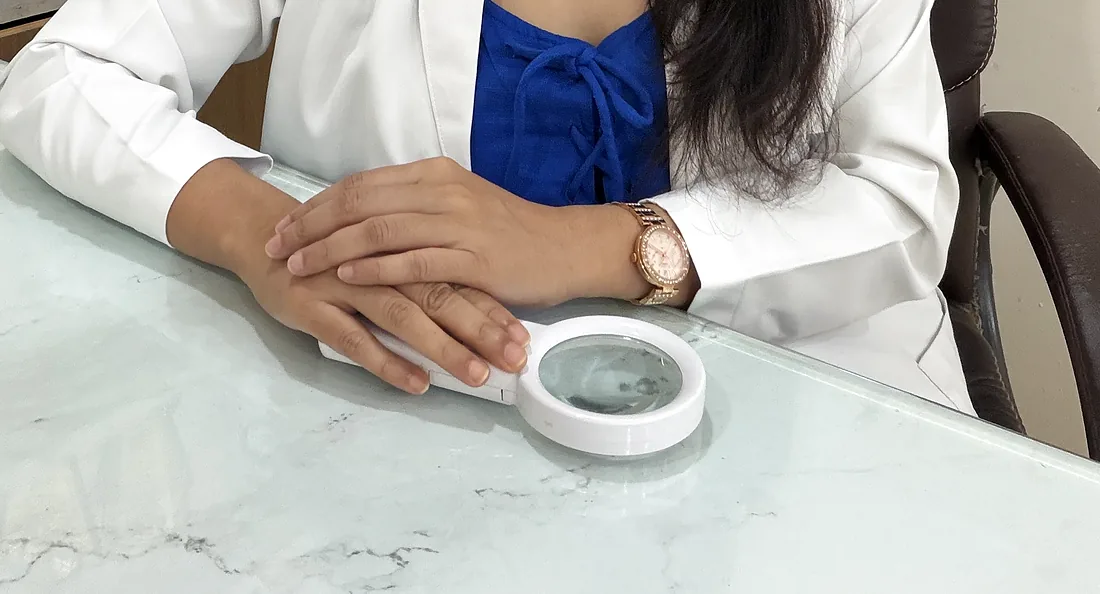
Your skin is examined to understand the type and depth of pigmentation. Dr Mitali discusses daily sun protection and skincare, and whether a procedure such as Q-switched laser is appropriate for you.

Approaches offered at the clinic
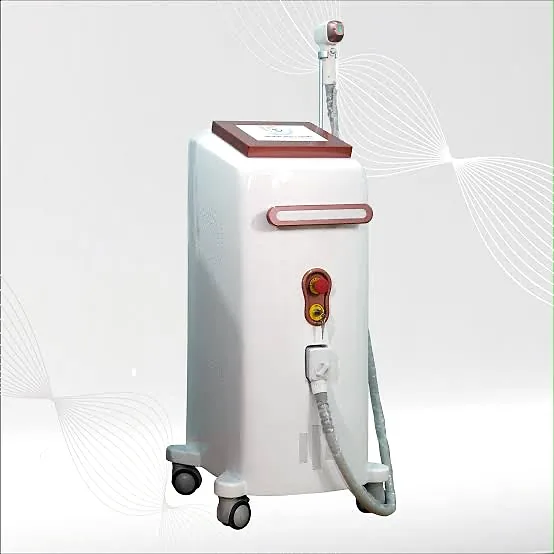
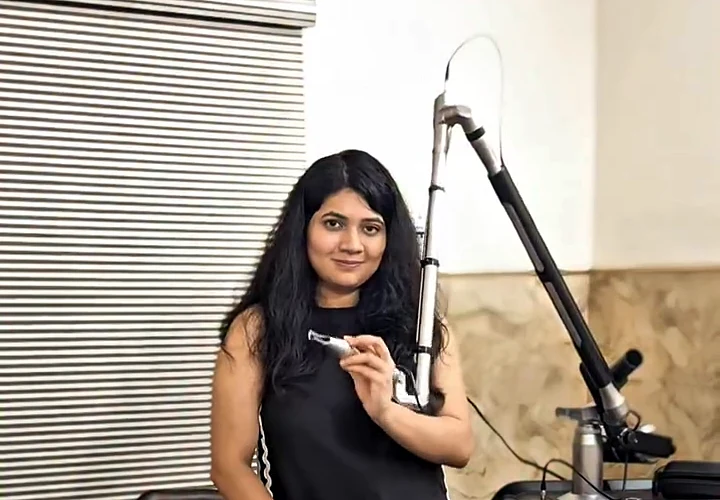
- Q-switched Nd:YAG laser for selected pigment concerns
- Carbon peel (carbon laser facial) for oiliness and open pores
- Laser tattoo removal
- Prescription skincare and sun-protection planning
Which of these is appropriate — if any — is decided with you after assessment.
At the clinic
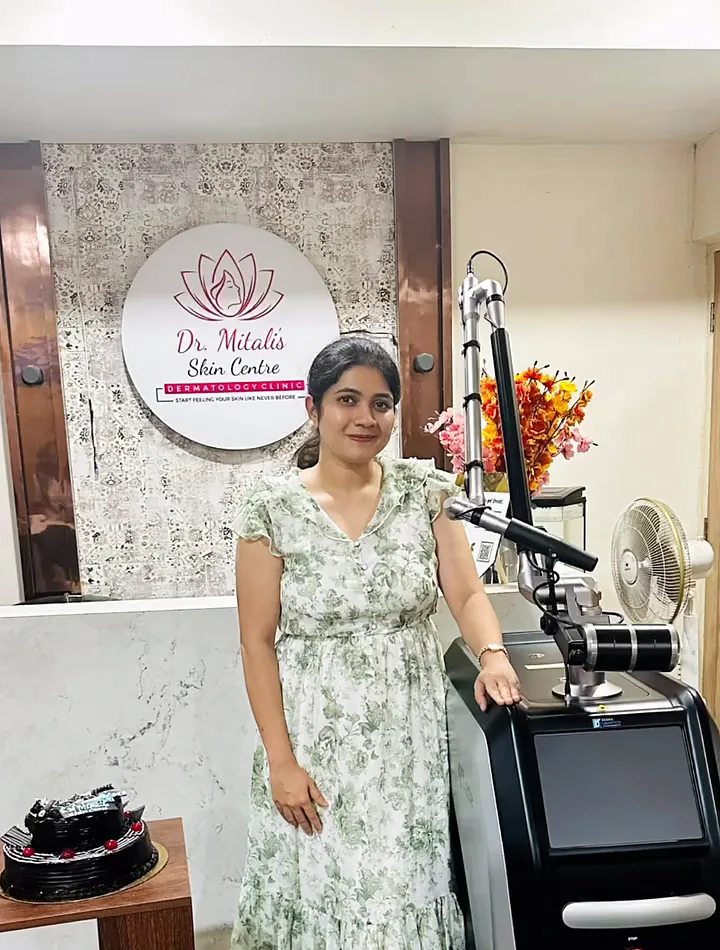
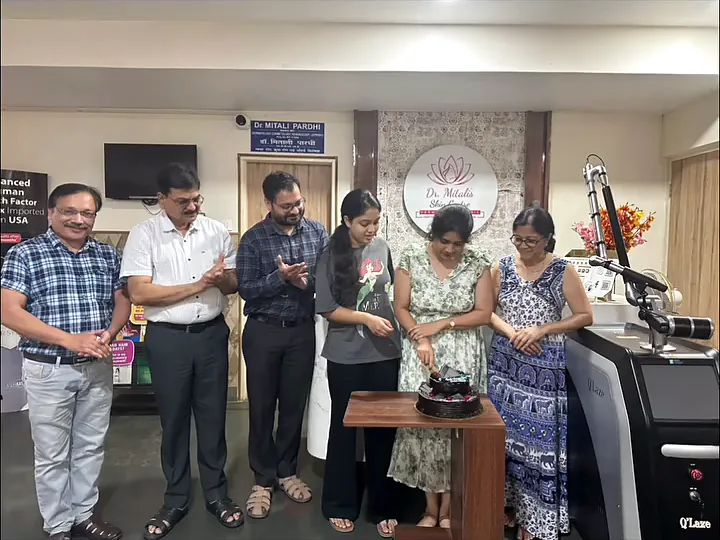
What to expect
Laser treatment is usually planned as a series of sessions spaced weeks apart; the number depends on the concern and your response. Mild, temporary redness is common afterwards.
Limitations & risks
Pigmentation, especially melasma, can recur and needs ongoing sun protection. Temporary redness, swelling or minor scabbing can occur. Laser is not suitable for everyone — this is assessed at consultation.
Frequently asked questions
A medical laser that delivers very short pulses of light to target pigment in the skin. It is used for selected pigment concerns, carbon peels and tattoo removal.
It varies. Many plans involve several sessions spaced around a month apart, but your doctor will advise after assessing your skin.
Usually little — mild redness often settles within hours — but individual responses differ and aftercare will be explained to you.
This page is general information, not medical advice. Suitability and results vary between individuals and are discussed at consultation.