Hair loss can be caused by genetics, hormones, nutritional deficiencies, stress, illness, scalp conditions or autoimmune problems such as alopecia areata. Finding the cause is the first and most important step.
When a consultation may help
- Hair fall is heavier than usual for more than a few weeks.
- Your parting is widening or the scalp is becoming more visible.
- You notice round, smooth patches of hair loss.
- The scalp is itchy, flaky or painful.
What happens at your consultation
Your history, diet, medicines and scalp are reviewed. Tests may be suggested where a deficiency or hormonal cause is suspected.
Approaches offered at the clinic
- Diagnosis of the type and likely cause of hair loss
- Medical treatment tailored to the diagnosis
- Scalp care and nutrition guidance
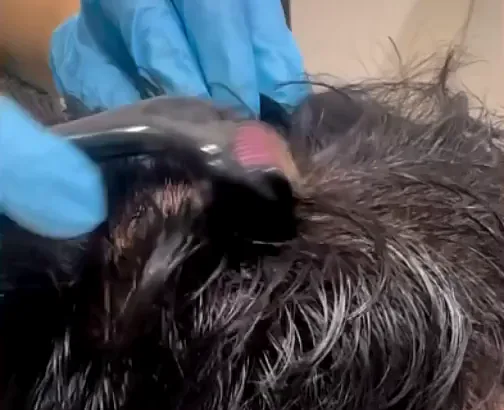
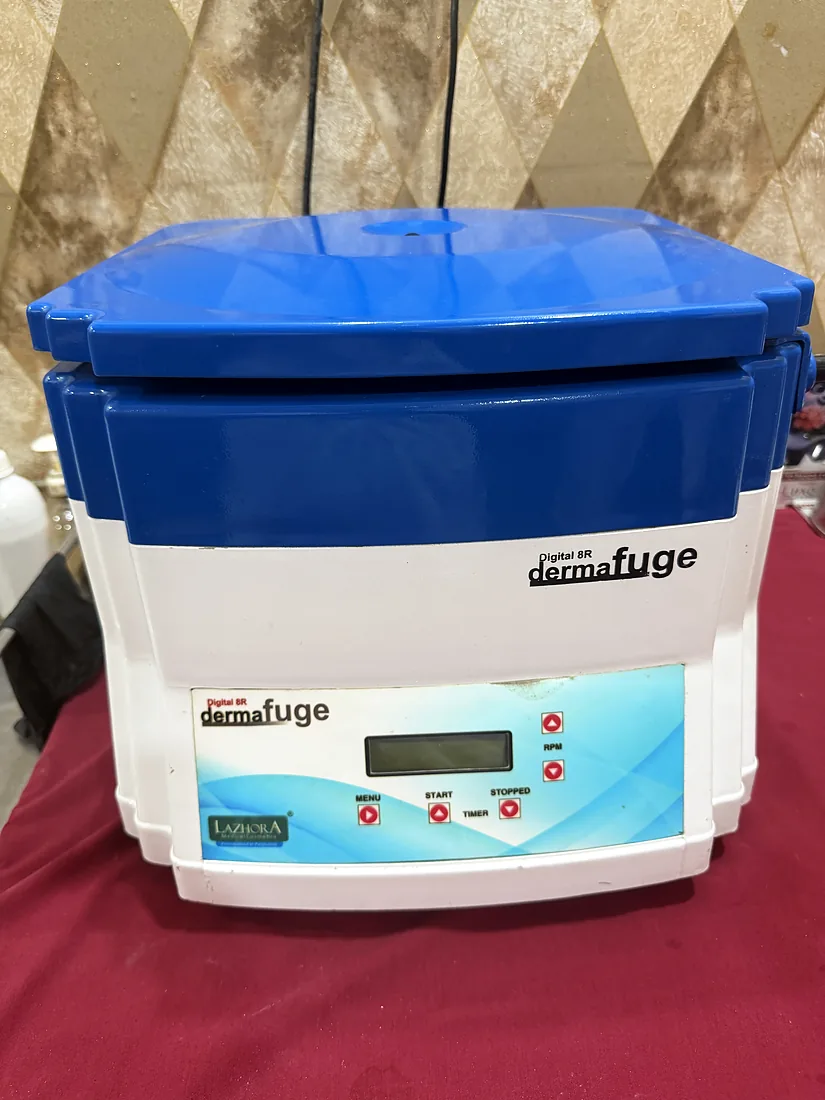
- In-clinic hair treatments where appropriate, including Grofactor therapy and PRP
Which of these is appropriate — if any — is decided with you after assessment.
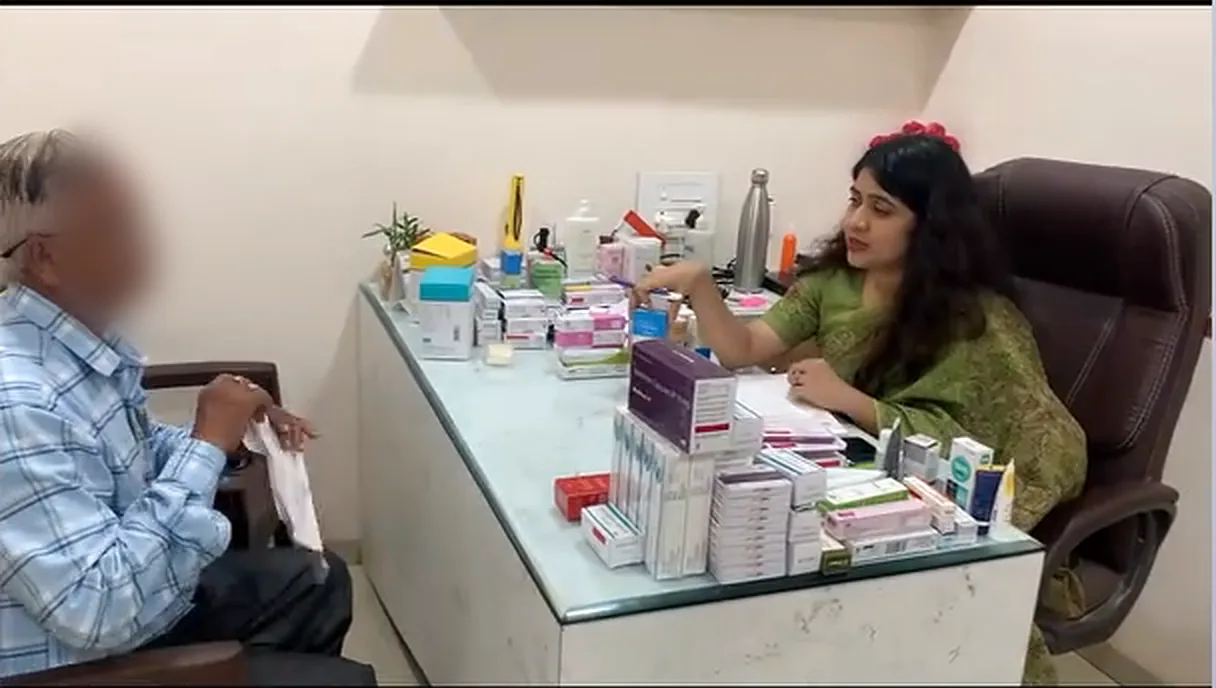
At the clinic
What to expect
Hair grows slowly, so changes are usually assessed over months rather than weeks. Response varies with the cause.
Limitations & risks
Not all hair loss can be reversed. Supplements and “natural” remedies are not right for everyone — please check before starting them.
Frequently asked questions
Some shedding every day is normal. If you notice a clear increase or thinning, a consultation can help find out why.
Not always. Your doctor will advise if tests are likely to help in your situation.
Grofactor therapy is an in-clinic hair-loss treatment in which a growth-factor solution is delivered into the scalp, by fine injections and microneedling. It is considered for selected types of hair thinning after the cause has been assessed, and is usually planned as a series of sessions.
This page is general information, not medical advice. Suitability and results vary between individuals and are discussed at consultation.